



Key points
- Understanding your unique skin type: Normal, oily, dry, combination, sensitive.
- Individualized care: Selection of products and procedures depending on skin type.
- Seasonal adjustments and avoidance of common care mistakes.
- The importance of sunscreen and the impact of diet and lifestyle on skin health.
Have you ever been puzzled by a skincare product that was miraculous for someone else but completely ineffective for you? The key to unlocking the mystery of perfect skincare lies in understanding your unique skin type. This knowledge isn’t just a step toward better skin health, it’s the foundation of a skincare regimen that’s tailored to your specific needs, ensuring that you’re not just following trends, but actually taking care of your skin effectively.
Understanding skin types
Normal skin
| Characteristics | This skin type is the Holy Grail of skincare. It is characterized by a well-balanced sebum and moisture content, which gives it a smooth texture and a clear, radiant appearance. |
| Perfect home care | Follow a simple routine. Gentle cleansing followed by a light moisturizing toner and a balancing cream is key. An SPF sunscreen is a must to protect the skin’s natural barrier. |
Oily skin
| Characteristics | Oily skin can be recognized by its glossy appearance and larger, more visible pores. It is more prone to blackheads, black spots and blemishes due to excessive sebum production. |
| Tips for care | Use oil-free and non-comedogenic products. Salicylic acid cleansers and mild exfoliants can help control sebum production. Lightweight, water-based moisturizers are essential for maintaining hydration without adding additional oil. |
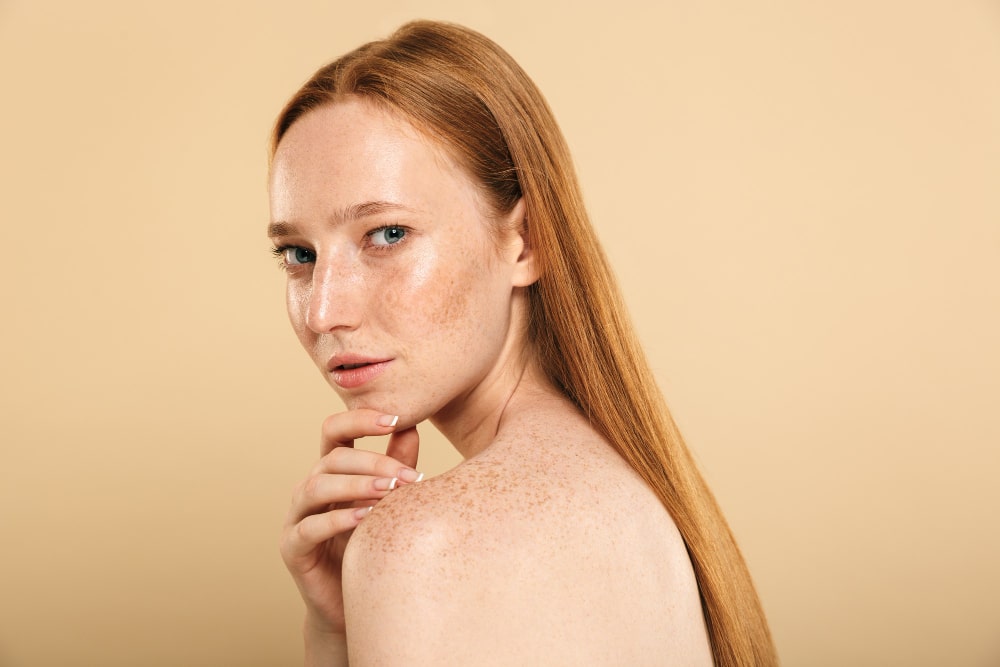
Dry skin
| Characteristics | If your skin often feels tight, flaky, or itchy, you most likely have dry skin. This type of skin lacks oil and often struggles to retain moisture. |
| Tips for care | Invest in moisturizing cleansers and rich moisturizers. Ingredients such as hyaluronic acid and glycerin help to lock in moisture. Avoid hot showers and harsh cleansers that strip the skin of its natural oils. |

Combination leather
| Characteristics | A combination of oily and dry skin, usually oily in the T-zone (forehead, nose, chin) and dry or normal on the cheeks. |
| Tips for care | This skin type needs a balanced skincare routine. Use a mild cleanser and a moisturizer that is lightweight but moisturizing. In some cases, you may need to use different products for different areas of the face. |

Sensitive skin
| Characteristics | Skin that is easily irritated is prone to redness, itching, and rashes. This skin condition reacts quickly to certain ingredients and environmental factors. |
| Tips for care | Look for products labeled “for sensitive skin,” which are generally free of irritants such as alcohol and fragrances. Always do a patch test when trying out new products. Soothing ingredients such as aloe vera and chamomile can be helpful. |

Home care strategies for every skin type
General tips
- For all skin types
Always remove makeup before bed and apply sunscreen during the day.
- Seasonal adjustments
Adapt your skincare routine to weather changes, as your skin’s needs may change with the seasons.
Common mistakes in skin care
- Ignoring the ingredients
Not all ingredients are suitable for every skin type. Research and find out what works best for you.
- Blindly following fashion trends
Just because a product is popular doesn’t mean it’s right for your skin. Focus on what your skin needs.
Expert advice
- Consistency in care
Find what works for your skin and stick with it. Consistency is the key to achieving results.
- Diet and hydration
Remember that skincare is not only about what you put on your skin, but also about what you put into your body. A balanced diet and adequate water intake are crucial.
Your Skin Deserves Special Attention
Matching your skincare routine to your skin type is crucial to achieving the healthiest, most radiant skin possible. By understanding and caring for your skin’s unique needs, you’re not just following fashion, you’re performing an act of self-care that will pay off in the long run. Stay informed, stay consistent, and watch your skin thrive. Learn more about personalized skincare on our blog and don’t forget to subscribe to our newsletter for the latest skin health and beauty tips. Your skin is unique; let’s celebrate and care for it accordingly!
Frequently asked questions section
- How to determine your skin type?
To determine your skin type, observe how your skin behaves without any products a few hours after cleansing. If it shines, you probably have oily skin. If it feels tight and dry, you have dry skin. Combination skin will be oily in the T-zone and dry elsewhere, while normal skin will be balanced all over. Sensitive skin will show signs of redness or irritation.
- Can my skin type change over time?
For example, skin type can change due to factors such as age, hormonal changes, climate, and even lifestyle. It is important to reassess your skin type periodically and adjust your skincare accordingly.
- Do I need to use different products for different skin types?
Yes, different skin types have unique needs. For example, oily skin is best suited for light, non-greasy products, while dry skin requires richer, more moisturizing products. Using the wrong products for your skin type can make it worse.
- How often should I change my skincare routine?
You should consider adjusting your skincare routine if there are significant changes in your skin condition, lifestyle, or environment, such as seasonal changes or if you notice that your skin is reacting differently to your current products.
- Are natural or organic skin care products better for sensitive skin?
Natural or organic products can be beneficial for sensitive skin, but it’s more important to look for products that don’t contain common irritants such as fragrances, alcohol, and synthetic preservatives. Even natural ingredients can sometimes cause irritation, so always test new products.
- Can diet and lifestyle affect my skin type?
Absolutely. Diet, hydration, stress and sleep quality can all affect your skin. A balanced diet rich in antioxidants, adequate water intake, stress management, and getting enough sleep can all have a positive impact on your skin’s health.
- What’s the best way to test a new skincare product?
Conduct a patch test. Apply a small amount to an inconspicuous area of skin, such as behind the ear or on the inside of the arm, and wait 24-48 hours to see if any adverse reaction occurs.