



Key points
- Botulinum toxin therapy effectively reduces dynamic and static wrinkles by temporarily paralyzing the muscles.
- Treating oily skin with BoNT reduces sebum production and enlarged pores.
- The use of BoNT can improve redness and erythema of the skin, particularly in rosacea.
- Carrying out BoNT procedures by specialists minimizes risks and side effects.
The transformative power of botulinum therapy in modern cosmetology
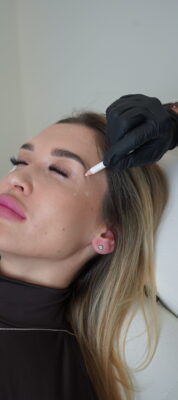
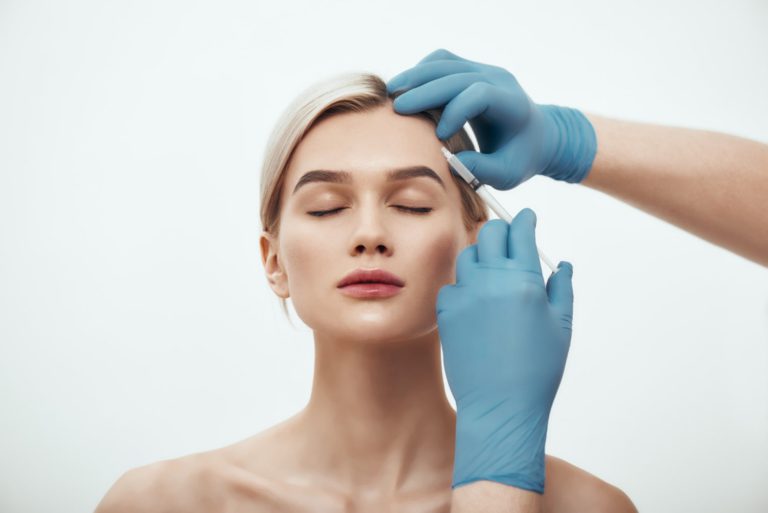
Botulinum therapy has established itself as a cornerstone of aesthetic medicine due to its remarkable ability to smooth wrinkles, a common sign of aging. Temporarily paralyzing overactive muscles, it effectively reduces the appearance of dynamic wrinkles, those formed during facial expressions, and static wrinkles, which are visible even at rest. The FDA has approved BoNT for specific areas such as glabellar (frown) lines and crow’s feet, but its universal use extends to other areas of the face, including horizontal forehead lines and perioral lines, when carefully used by experienced clinicians.
Oily skin care
BoNT’s innovative application extends to the treatment of oily skin, a problem for many who seek a balanced and clear complexion. The mechanism, although not fully understood, suggests that BoNT may affect the activity of the sebaceous glands, leading to a decrease in sebum production. This application promises not only to reduce oiliness, but also to minimize the appearance of enlarged pores, contributing to an overall improvement in the texture and aesthetic appearance of the skin.
Redness and erythema
In addition to its cosmetic benefits, BoNT has therapeutic applications in the treatment of skin conditions such as redness and erythema. In particular, in cases involving rosacea or menopausal symptoms, BoNT injections have been shown to be effective in reducing the intensity of these symptoms. Patients report not only a visible reduction in redness, but also an improvement in discomfort and overall quality of life, highlighting BoNT’s role in improving both appearance and well-being.
Safety and side effects
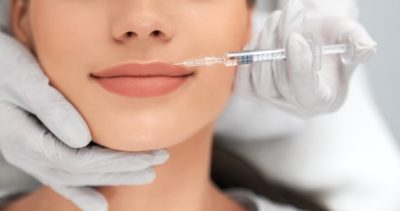
Although BoNT treatment is mostly safe with high satisfaction rates, awareness of potential side effects is vital for informed decision making. The most common side effects include temporary discomfort, bruising, or swelling at the injection site. Rare but serious complications, such as dysphagia, may occur, especially with incorrect application technique. Mild, transient headaches and flu-like symptoms have been reported, but are not common. Getting treatment from a qualified and experienced professional is critical to minimizing risks and maximizing positive outcomes.
Conclusions
Botulinum therapy symbolizes the protein of cosmetic improvement and therapeutic intervention in dermatology. Its multifaceted use, starting from aesthetic improvements and ending with the relief of dermatological conditions, emphasizes its significant role in modern cosmetology. It is important for individuals considering BoNT therapy to consult with their healthcare provider to fully understand its benefits and risks.
Botulinum therapy in cosmetology
- What is botulinum therapy?
Botulinum therapy is the use of botulinum toxin (BNT) for cosmetic and therapeutic dermatological purposes.
- What are the cosmetic uses of botulinum toxin?
It is widely used to treat wrinkles (rhytides), care for oily skin and reduce excessive sebum production.
- Can it treat medical conditions?
Yes, it can help treat conditions such as redness, erythema and some dermatological problems.
- What are the side effects?
Common side effects include temporary discomfort, bruising, or swelling at the injection site. Rarely, more serious complications can occur.
- How long do the effects last?
The effect of BoNT usually lasts from 3 to 6 months, depending on the individual characteristics of the patient and the area of treatment.
- Is it safe?
BoNT procedures are generally safe when performed by trained professionals, but it is important to discuss the potential risks with your doctor.
- Can everyone use BoNT?
Most adults can, but it is not recommended for pregnant women, breastfeeding women, and people with certain neurological disorders.