



Key points
- The importance of facial cleansing: A facial cleansing removes dirt, oil, and dead skin cells to prevent acne and other skin problems, and maintains a healthy pH and moisture level.
- Stages of the procedure: The process includes skin analysis, cleansing and exfoliation, steaming, extraction, massage, mask application, and moisturizing and toning.
- Types of facials: There are various facial cleansing methods including mechanical, ultrasonic, vacuum, laser, and galvanic cleansing suitable for different skin types.
- Personalized approach: It’s important to choose a facial cleansing method that suits your individual needs and skin type, and to consult a professional for the best results.
Facials in cosmetology are more than just a simple skincare routine; they are an essential practice for maintaining a healthy, radiant complexion. This comprehensive guide explains why facials are crucial, describing the steps involved, indications, contraindications, and different types of facials. The guide aims to educate and encourage clients to consider incorporating this vital service into their skincare regimen.
Why you need a facial cleansing
Cleansing your face is fundamental to your skin’s health. Throughout the day, your skin accumulates a variety of impurities, including oil, dirt, harmful substances, and dead skin cells. Regular cleansing is crucial for removing these impurities, preventing them from building up, which can lead to clogged pores and acne. Cleansing not only cleanses the skin, but also increases its moisture and ability to absorb skincare products effectively. It is also important for maintaining a balanced skin pH level, which is vital for skin barrier function and overall skin health.
Stages of the procedure
| Skin analysis | The treatment begins with a thorough analysis of your skin type and condition. This step is crucial for customizing the facial cleansing process to meet your individual skin needs. |
| Cleansing and exfoliation | This step involves the removal of surface impurities and dead skin cells, which helps to cleanse pores and improve skin texture. Exfoliation can be achieved by a variety of methods, including mechanical or chemical exfoliators, adapted to skin sensitivity and type. |
| Steaming | Steaming the face gently opens the pores, making it easier to remove deep-seated impurities. It also helps to soften the skin, preparing it for the extraction process if necessary. |
| Extraction | This is a thorough removal of black and whiteheads. This is a delicate process that can lead to skin damage or scarring if performed incorrectly. |
| Massage | Facial massage is not just relaxing, it also increases circulation, promoting skin health and vitality. It can help with lymphatic drainage, reduce puffiness, and improve skin tone. |
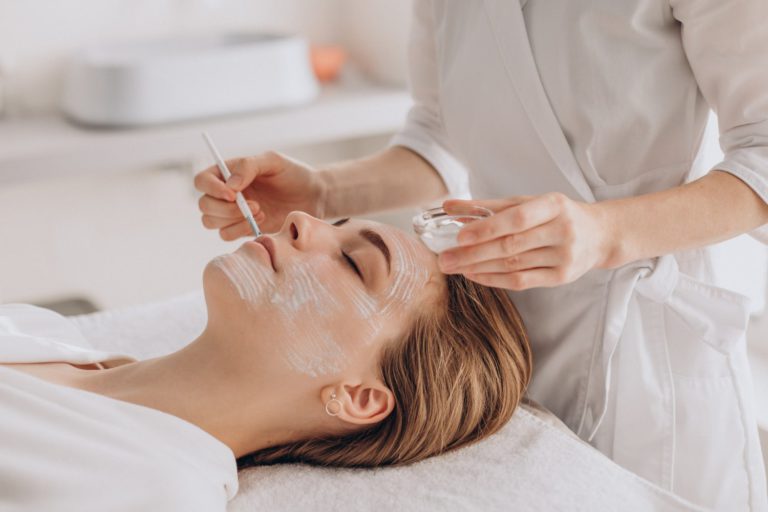
| Applying the mask | A mask suitable for the client’s skin type is applied. Masks can moisturize, detoxify, or provide anti-aging benefits, depending on their ingredients. |
| Toning and moisturizing | At the final stage, a toner is applied to balance the pH of the skin and a moisturizer to moisturize and protect the skin. |
Indications and contraindications
Facial cleansing is generally beneficial for most skin types, especially those with issues such as acne, dullness, premature aging, and clogged pores. However, it is not recommended for those with active skin infections, severe acne, or hypersensitivity. In such cases, you should consult a dermatologist or professional cosmetologist to avoid any adverse effects.
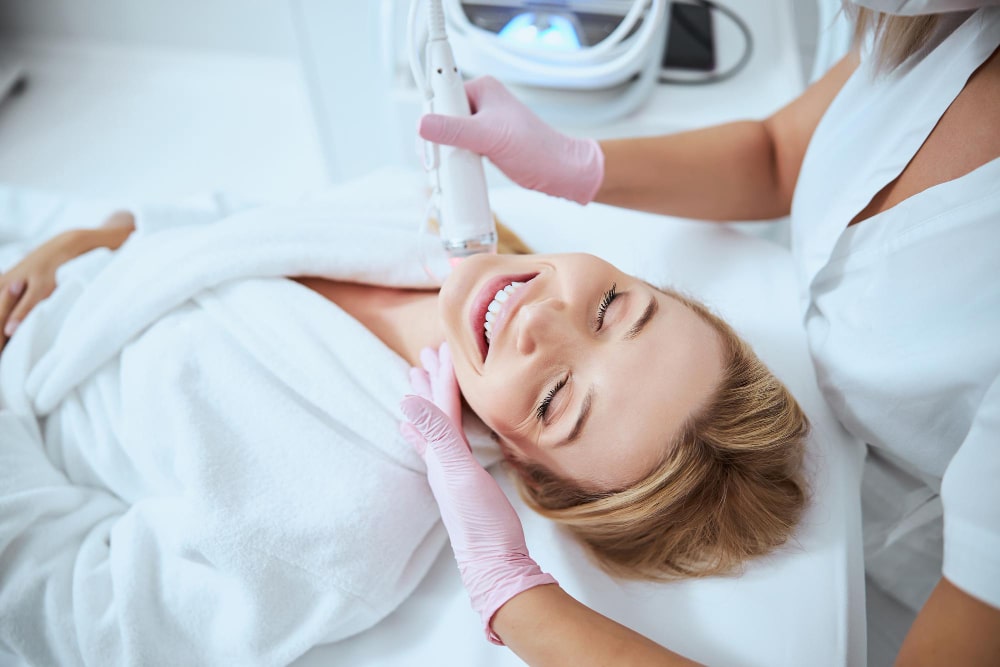
Types of facials
| Mechanical cleaning | Ideal for removing surface impurities such as blackheads. It requires manual extraction and is suitable for less sensitive skin types. |
| Ultrasonic cleaning | It uses ultrasonic waves to deeply cleanse the skin. It is gentle and suitable for most skin types, including sensitive skin. |
| Vacuum cleaning | Involves the use of a device that creates a vacuum to gently draw out impurities from the pores. Effective for oily and combination skin types. |
| Laser cleaning | A more advanced method that uses laser technology to cleanse and rejuvenate the skin. It is useful for addressing deep-seated skin issues such as scars and hyperpigmentation. |
| Galvanic cleaning | It uses an electric current to cleanse the skin. It is effective in deeply cleansing pores and enhancing product absorption. |
Conclusion
Cosmetic facials are an integral part of maintaining healthy and vibrant skin. Understanding the different types of facial cleansing and determining which is best for your skin type can lead to more effective and enjoyable skincare results. Always consult with a skincare professional to determine the most appropriate facial cleansing method for your unique needs, and step into a world of glowing, healthy skin.
Section of frequently asked questions: Understanding cosmetic facials
- What is a cosmetic facial?
A cosmetic facial is a skincare treatment that involves a series of steps to thoroughly cleanse the skin. It removes dirt, oil, and other impurities, opens pores, and rejuvenates the skin, often including steps such as exfoliation, steaming, extraction, and moisturizing.
- Why is facial cleansing important?
Facial cleansing is essential for maintaining healthy skin. It helps remove pollutants, excess oil, and dead skin cells, preventing acne and other skin problems. Regular cleansing also ensures better absorption of skincare products and maintains the skin’s moisture and pH balance.
- How often should I have a professional facial?
The frequency depends on your skin type and condition. As a general rule, it is recommended to have a professional facial once a month. However, people with specific skin problems may benefit from more frequent treatments with the advice of a skin care professional.
- What types of facials are there?
The main types include mechanical, ultrasonic, vacuum, laser, and electroplating. Each type uses different methods and equipment to clean the skin, which are suitable for different skin types and problems.
- Is facial cleansing suitable for all skin types?
While facials are beneficial for most skin types, some methods may not be suitable for very sensitive skin, severe acne, or skin with active infections. It is important to consult a skin care professional to choose the right type of cleansing for your skin.
- Can facial cleansing help with acne?
Yes, cleansing your face can help prevent and reduce acne. By removing dirt and opening pores, it prevents the build-up of oil and bacteria that can lead to acne. However, in the case of severe acne, a targeted treatment plan may be necessary.
- Are there any side effects of facial cleansing?
As a rule, facials are safe if performed by a qualified professional. There may be slight redness or sensitivity, especially after extraction or deep cleansing. It is important to follow the aftercare instructions to minimize any adverse effects.
- Can I do facial cleansing at home?
Basic facial cleansing can be done at home using appropriate cleansers and exfoliators. However, more complex procedures such as extraction, laser or ultrasound treatment should be performed by professionals for safety and effectiveness.